Taida and international partners launch Erasmus+ project on migratory grief
A new Erasmus+ project is exploring how youth work can better support young people experiencing grief connected to migration. The project, Moving Grief: Training Youth Workers to Support Migratory Grief, focuses on a topic that is rarely addressed openly but affects many people navigating life between cultures.
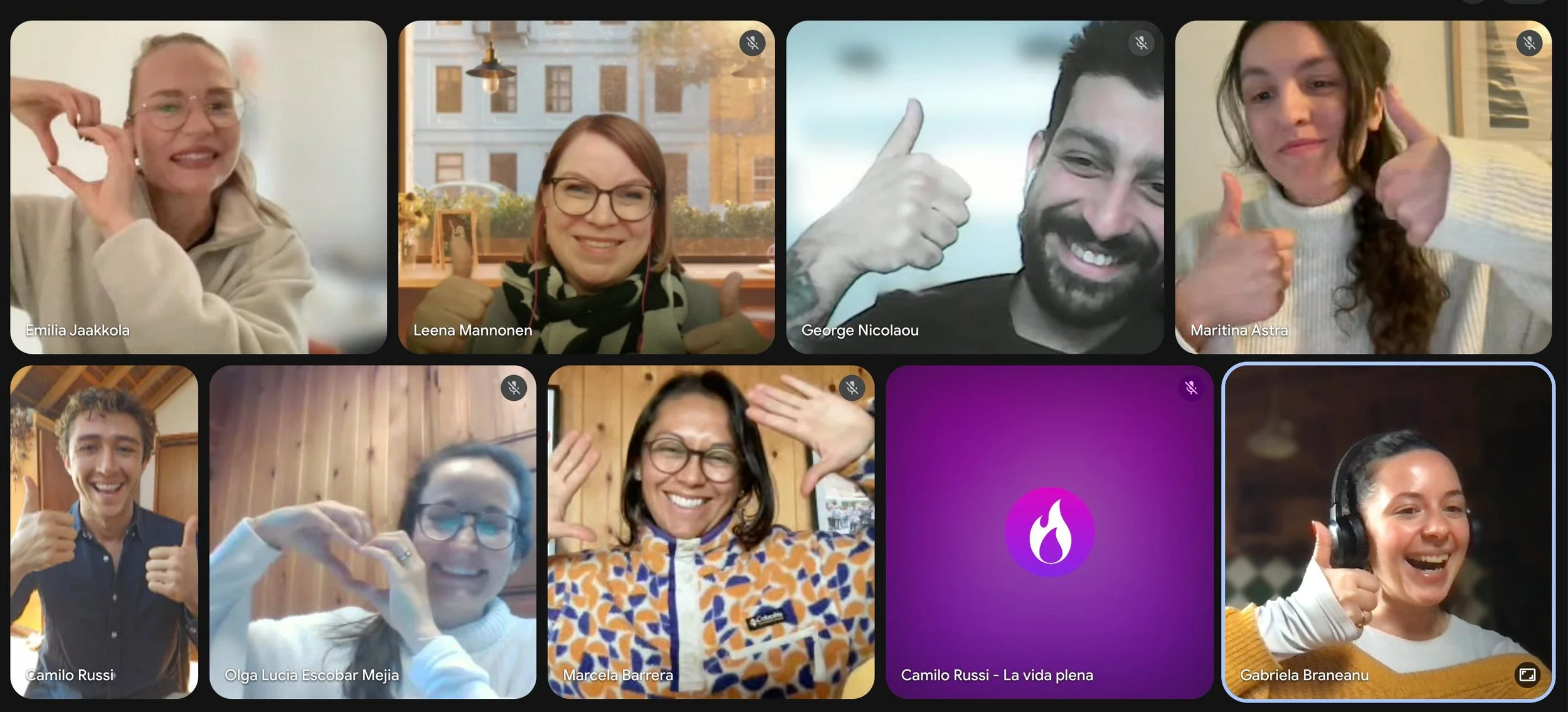
In February 2026, the Erasmus+ project Moving Grief: Training Youth Workers to Support Migratory Grief officially kicked off, bringing together partners from Finland, Spain and Greece.
Migration often involves leaving behind family members, languages, communities and familiar cultural environments. These experiences can create forms of grief that are rarely discussed openly, especially among young people navigating life between cultures.
Several people involved in the consortium have experienced migratory grief themselves, and these lived experiences helped inspire the idea for the project.
The project is coordinated by Taida and implemented together with Helsinki Deaconess Foundation in Finland, The Social Circle in Spain, and ROES Cooperative in Greece.
The educational content of the project is developed with grief educator Camilo Russi, founder of the Death Education Group. Through his work, Camilo has supported both individuals and professionals in understanding and accompanying grief. His experience includes working with complex grief linked to migration, violence and human rights violations, as well as collaborating with public institutions and international organizations supporting vulnerable communities.
Funded by the Erasmus+ programme with a grant of 60,000 euros, the 18-month project will develop practical resources for youth workers. These include an online learning course, a toolkit of methods and exercises, and a train-the-trainer programme designed to help professionals support young people dealing with migratory grief.
The project officially kicked off in February with the first consortium meeting. Over the coming months, the partners will collaborate on research, learning activities and the development of these resources, which will later be shared with youth work professionals across Europe.
For Taida, coordinating this project is an important milestone. It is the company’s first Erasmus+ project and also reflects a direction that has become increasingly central to its work as a social enterprise: using education to address real social challenges and support communities navigating complex transitions.
The partners see this first phase as a pilot that will help test new approaches for supporting migratory grief in youth work and open the door for a larger international collaboration in the future.

Co-funded by the European Union.